


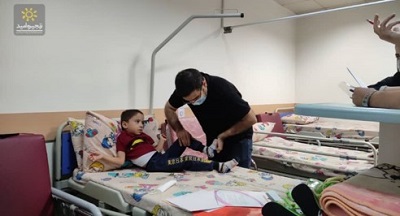
The Zanjireh Omid Charity Institute has established and fully equipped a dedicated residential care center with an annual capacity exceeding 10,000 patient-days in order to complete and enhance the quality of medical treatment provided to its beneficiaries.
The primary objective of this initiative is to provide accommodation and access to specialized medical care for patients supported by the Institute who reside in underserved provinces and lack access to standard treatment services in their hometowns.
This center delivers comprehensive pre-operative and post-operative care, as well as rehabilitation services including physiotherapy, physical occupational therapy, cognitive occupational therapy, speech therapy, hydrotherapy, the use of dynamic movement orthoses (space suits), robotic hand therapy, and robotic gait training. In addition, a dental clinic has been established at the facility to support the cleft lip and palate treatment program.
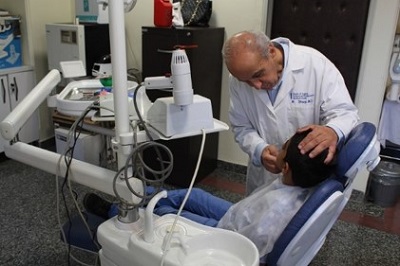

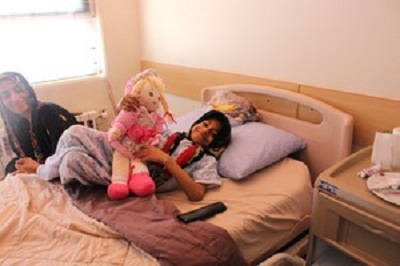

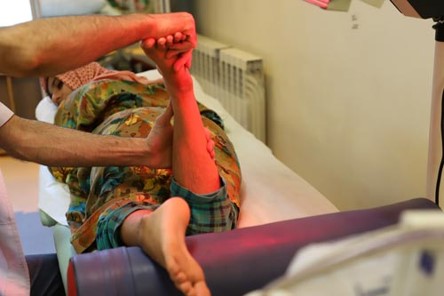
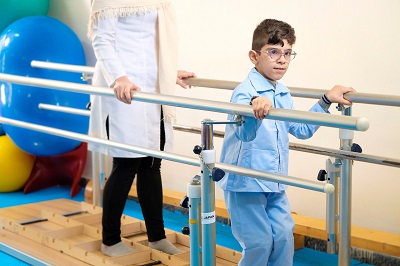
Given that the Institute’s beneficiaries are children from economically disadvantaged and medically underserved communities—many of whom travel from across the country to Tehran for treatment—the establishment of this center provides significant medical and social benefits.


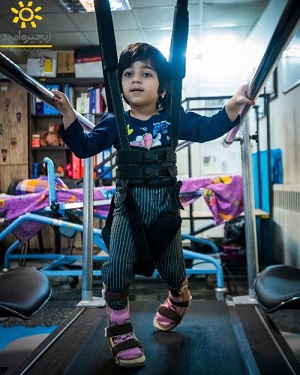
Medical Objectives
As Zanjireh Omid provides advanced and highly specialized medical care to children deprived of access to subspecialty treatments, and as such treatments require extended stays before and after surgery, the establishment of this center results in the following outcomes:
- Continuous medical supervision by Zanjireh Omid physicians before and after surgery, leading to improved treatment outcomes
- Reduction of hospital-acquired infections through decreased inpatient hospitalization time
- Structured development and implementation of pre- and post-operative care plans to ensure completion of the treatment process
- Increased capacity for children requiring long-term medical monitoring
- Delivery of high-quality, child-specific rehabilitation services in accordance with pediatric protocols
- Provision of psychological counseling services
- Implementation of structured nutrition protocols, including breakfast, lunch, dinner, and two nutritious snacks daily, along with supplemental and supportive medications for both children and their accompanying mothers to facilitate optimal recovery
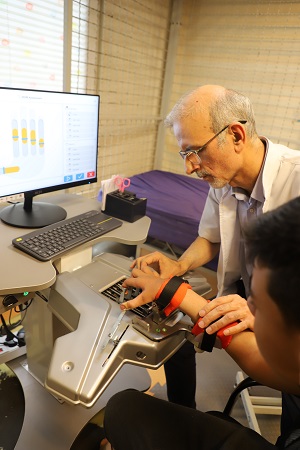
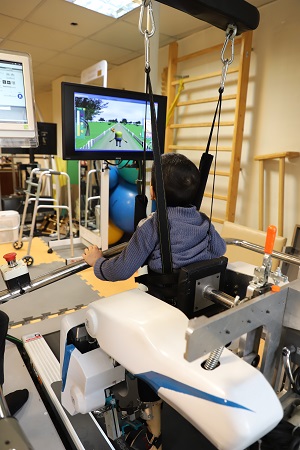
Social Objectives
Considering that the Institute’s patients come from low-income and underserved communities and must travel from distant provinces to Tehran for medical treatment, the center provides substantial social benefits, including:
- Reduction of hospital expenses by shortening inpatient stays
- Provision of safe and stable accommodation for children and their mothers throughout the treatment and recovery period, preventing treatment discontinuation due to financial hardship or lack of housing in Tehran
- Reduction of rehabilitation-related costs, which constitute a significant portion of total treatment expenses
- Creation of a safe and supportive psychological environment for patients
- Continuation of education for boys and girls through elementary-level instruction to prevent academic disruption
- Parental education through short-term workshops covering life skills, awareness of social harms, and post-operative child care
Core Project Feature
The most significant hallmark of this project is achieving the highest standard of medical care while substantially reducing overall treatment costs.
To accomplish this, the following steps are implemented for each patient:
- Establishment of highly specialized clinics staffed by Zanjireh Omid physicians
- Approximately one week of hospitalization is required for pediatric cardiac and reconstructive patients for each surgical procedure. These children typically undergo multiple surgeries throughout the course of their treatment.
- Monthly referral of orthopedic surgery patients for pre- and post-operative rehabilitation services
- Referral of non-surgical patients according to physician diagnosis and clinical guidelines
- Ongoing examinations and follow-up visits throughout the treatment process to monitor progress, conducted by Zanjireh Omid physicians
